Archives
- 2026-02
- 2026-01
- 2025-12
- 2025-11
- 2025-10
- 2025-09
- 2025-03
- 2025-02
- 2025-01
- 2024-12
- 2024-11
- 2024-10
- 2024-09
- 2024-08
- 2024-07
- 2024-06
- 2024-05
- 2024-04
- 2024-03
- 2024-02
- 2024-01
- 2023-12
- 2023-11
- 2023-10
- 2023-09
- 2023-08
- 2023-07
- 2023-06
- 2023-05
- 2023-04
- 2023-03
- 2023-02
- 2023-01
- 2022-12
- 2022-11
- 2022-10
- 2022-09
- 2022-08
- 2022-07
- 2022-06
- 2022-05
- 2022-04
- 2022-03
- 2022-02
- 2022-01
- 2021-12
- 2021-11
- 2021-10
- 2021-09
- 2021-08
- 2021-07
- 2021-06
- 2021-05
- 2021-04
- 2021-03
- 2021-02
- 2021-01
- 2020-12
- 2020-11
- 2020-10
- 2020-09
- 2020-08
- 2020-07
- 2020-06
- 2020-05
- 2020-04
- 2020-03
- 2020-02
- 2020-01
- 2019-12
- 2019-11
- 2019-10
- 2019-09
- 2019-08
- 2019-07
- 2019-06
- 2019-05
- 2019-04
- 2018-07
-
epothilone br Membrane receptor Indirect non
2020-09-25
Membrane receptor: Indirect non-genomic signaling As mentioned above, not all epothilone responses fit the classical genomic model of steroid action. The observation of excessively fast estrogen-induced biological responses led to the development of the hypothesis that estrogen could be acting b
-
The presence of a vicious
2020-09-25
The presence of a “vicious cycle” established between tumor proliferation and paratumor osteolysis plays a crucial role in the development of primary bone tumors [53]. Cancer cells produce soluble factors that activate directly or indirectly via osteoblasts, osteoclast differentiation and maturatio
-
The role of ETB clearing receptors has been studied in
2020-09-25
The role of ETB clearing receptors has been studied in detail in endothelial cell–specific ETB knock-out mice. In these animals, clearance of an intravenous 2825 of labeled ET-1 was reduced significantly compared with wild-type controls. Importantly, functioning ETB were retained on all other cell
-
Elastase belongs to chymotrypsin family
2020-09-25
Elastase belongs to chymotrypsin family of proteases and it is responsible for the breakdown of elastin and other proteins, such as collagen and fibronectin, which are fundamental for the ECM elastic properties (Imokawa and Ishida, 2015). Misregulations of this enzyme are involved in skin ageing pro
-
Numerous studies have investigated the
2020-09-25
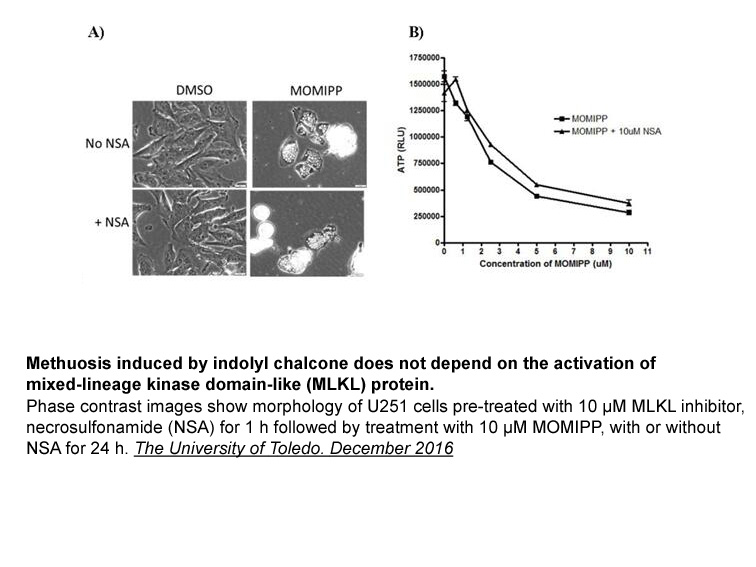
Numerous studies have investigated the contribution of N-cadherin to metastasis and tumorigenesis. The overexpression of N-cadherin has been shown to enhance tumor invasion and motility in multiple cancer models [25,40,48]. Transforming growth factor beta 1 (TGFβ1) is a strong EMT inducer. In fact,
-
Studies have focused on a hydrophobic cage at the CULT
2020-09-25
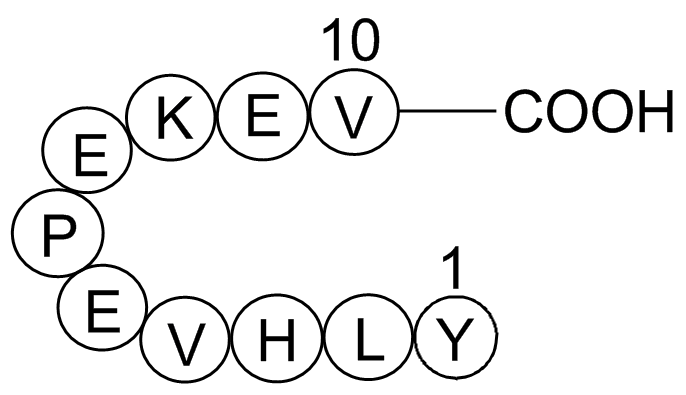
Studies have focused on a hydrophobic cage at the CULT domain, conserved from bacteria to mammals, as it binds to substrates and IMiDs (Chamberlain et al., 2014, Lupas et al., 2015). In addition, CRBN ligand-mediated protein degradation was highly conserved, which was confirmed in vertebrates by foc
-
T16Ainh - A01 synthesis Among the Ub interactions observed i
2020-09-25
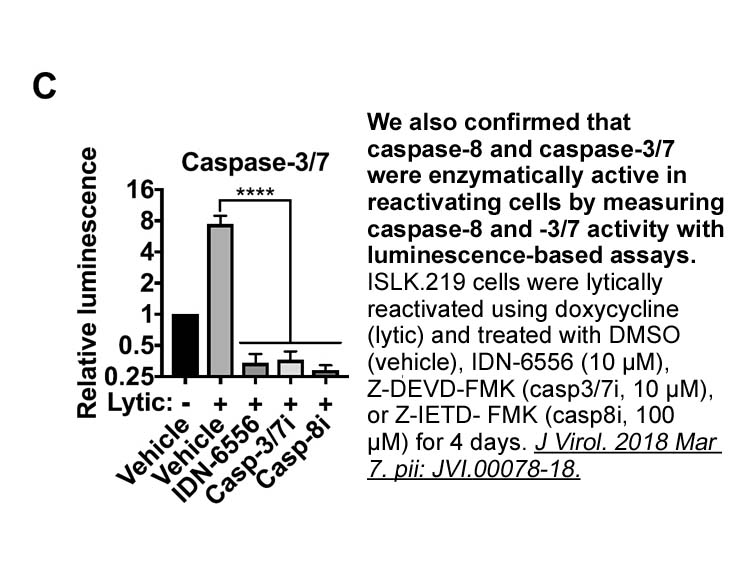
Among the ~Ub interactions observed in the HOIP structure is one that involves a RING2 domain (from the non-cognate HOIP) [47]. A similar binding interaction was defined between HHARI RING2 and the hydrophobic patch on Ub by NMR [54]. HHARI RING2 mutations that ablate the interaction inhibit formati
-
One of the isolated interactors against Mulan
2020-09-25
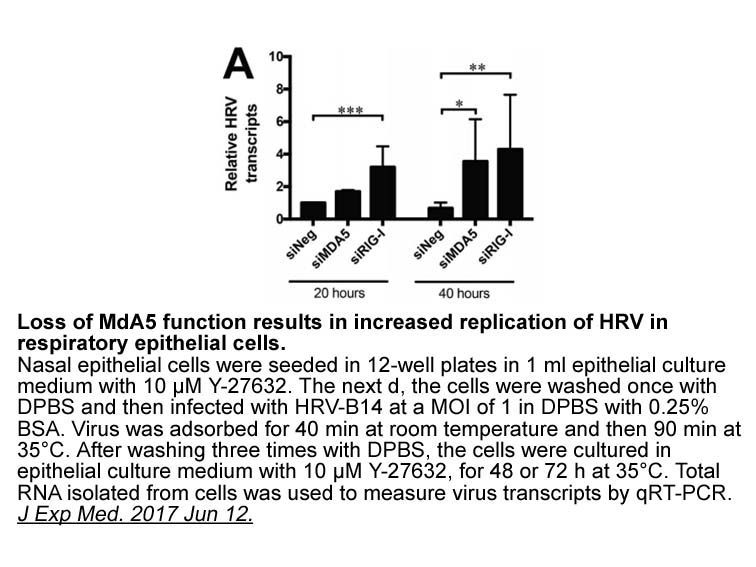
One of the isolated interactors against Mulan259–352–Ube2E3 fusion bait was found to be the GABARAP protein, a known member of the Atg8 family that includes LC3 [20]. The Atg8 family-of-proteins are major players in autophagy/mitophagy since they are part of the autophagosome [20], [21], [22]. Our s
-
The inhibition of mRFP Ub E formation by
2020-09-25
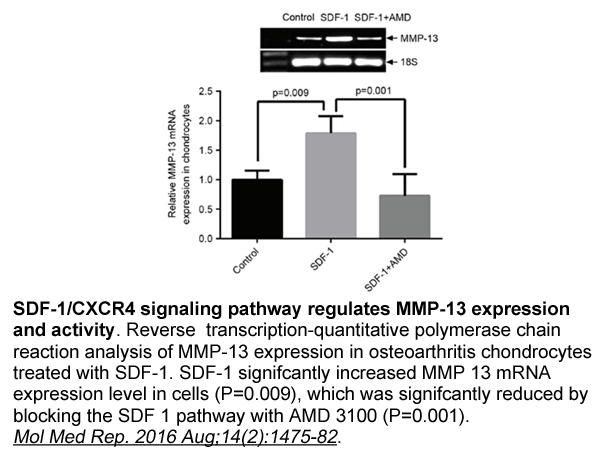
The inhibition of mRFP-Ub–E1 formation by ginsenosides Re was not in time-dependent in vitro (Fig. 4B). Fifty micrometres ginsenoside Rg1 decreased E1 activity to 0.24- to 0.36-fold over 30min. This finding suggests that ginsenoside Rg1 may irreversibly inhibit mRFP-Ub–E1 formation or a tight-bindin
-
Enzymatic assay The usual in vitro test for the measure
2020-09-25
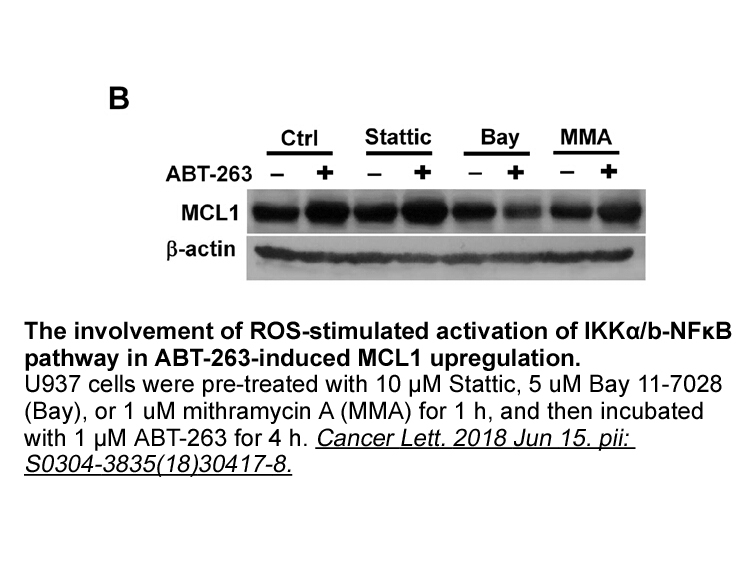
Enzymatic assay. The usual in vitro test for the measure of the activity of DbH involves ascorbate as a cosubstrate (e.g., 5mM) and tyramine as a substrate (e.g., 10mM). When using N-aryl-N′-hydroxyguanidines instead of ascorbate, the hydroxylase activity of DbH was measured by HPLC as the amounts o
-
That DGAT mediated hepatic steatosis did not
2020-09-24
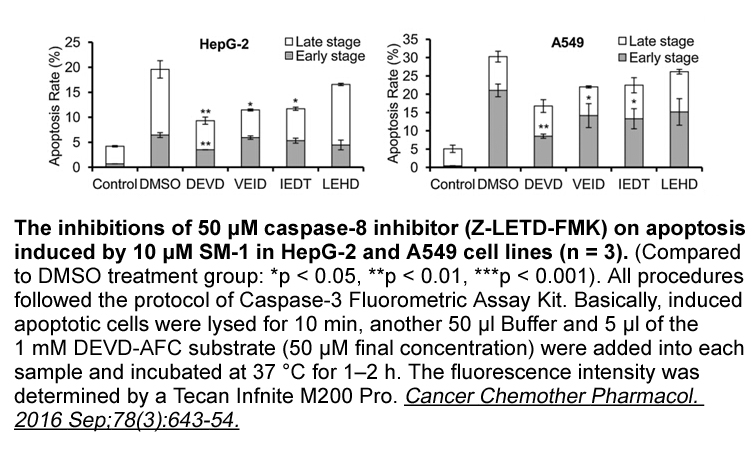
That DGAT-mediated hepatic steatosis did not lead to insulin resistance was clearly demonstrated in Liv-DGAT2-low mice by their normal blood glucose and plasma insulin levels, normal glucose and insulin tolerance, normal insulin sensitivity by hyperinsulinemic-euglycemic clamp studies, and normal he
-
Besides degrading cholesterol the cholesterol degradation pa
2020-09-24
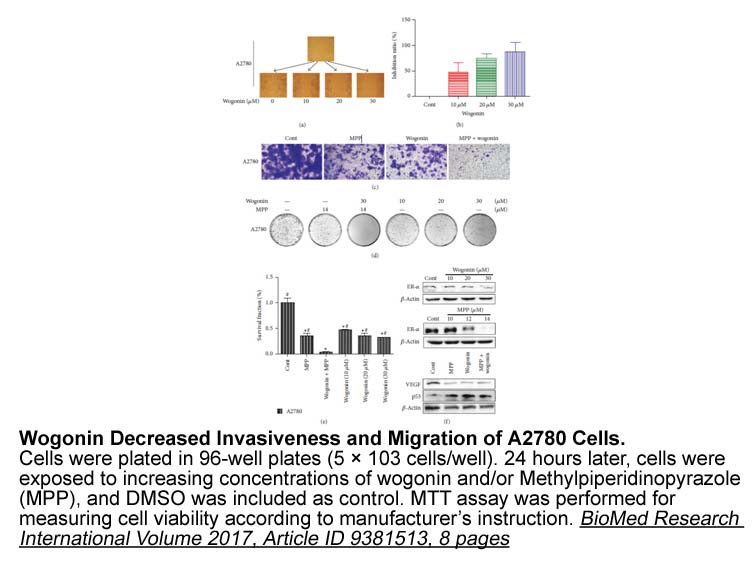
Besides degrading cholesterol, the cholesterol degradation pathway also offers a route to obtain useful starting materials for the production of steroid drugs and hormones. Indeed, steroids are among the most marketed pharmaceuticals with about 300 approved steroid drugs [15] and a worldwide market
-
Ethyl naphthoates a h were successfully reduced to
2020-09-24
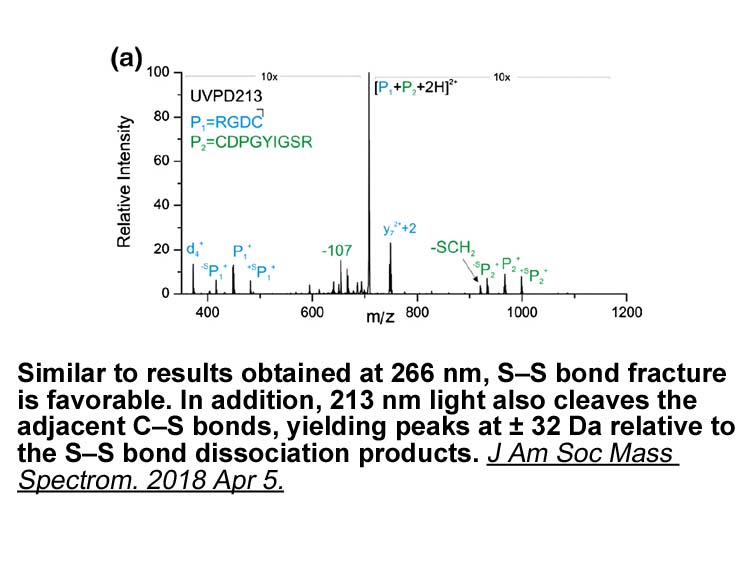
Ethyl 1-naphthoates (10a–h) were successfully reduced to 1-naphthylmethanols (12a–h) by using LiAlH4 with 8–87% yields. Then PCC was used to convert the alcohols into the corresponding 4-alkyl-1-naphthaldehyde derivatives (13a–h) with relatively higher yields (58–90%) as represented in Scheme 2. The
-
br Author contribution br Acknowledgements QNRF grant
2020-09-24
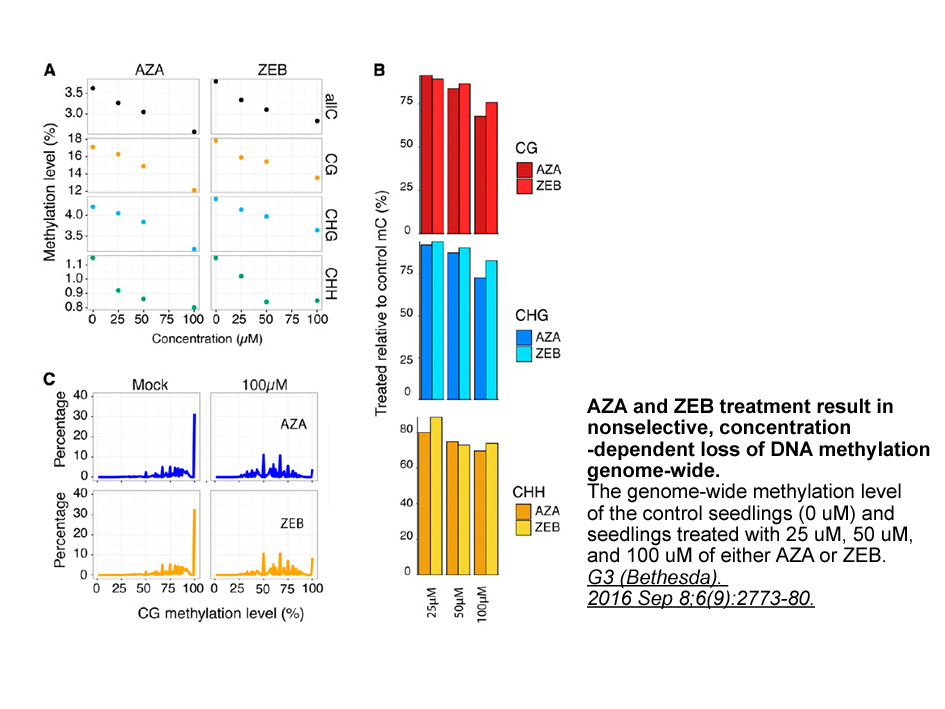
Author contribution Acknowledgements QNRF grant number NPRP6-065-3-012, Qatar National Research Fund, Doha Qatar for funding this work with grant number NPRP No.: NPRP6-065-3-012. Introduction Preeclampsia (PE) affects 3–5 % of pregnancies worldwide and is one of the leading causes of mate
-
Many PIM inhibitors have been reported to
2020-09-24
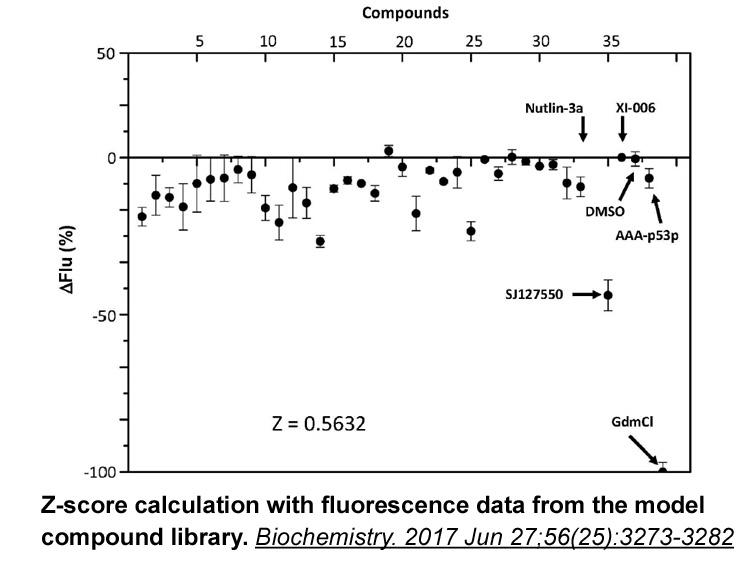
Many PIM inhibitors have been reported to date [7], [8], [9] however, none of them has been marketed so far. SGI-1776 is a representative first-generation PIM inhibitor, which had been under clinical trials for leukemia and prostate cancer [10]. While most of the first-generation PIM inhibitors are
15183 records 758/1013 page Previous Next First page 上5页 756757758759760 下5页 Last page