Archives
- 2026-11
- 2026-10
- 2026-09
- 2026-08
- 2026-07
- 2026-06
- 2026-05
- 2026-04
- 2026-03
- 2026-02
- 2026-01
- 2025-12
- 2025-11
- 2025-10
- 2025-09
- 2025-03
- 2025-02
- 2025-01
- 2024-12
- 2024-11
- 2024-10
- 2024-09
- 2024-08
- 2024-07
- 2024-06
- 2024-05
- 2024-04
- 2024-03
- 2024-02
- 2024-01
- 2023-12
- 2023-11
- 2023-10
- 2023-09
- 2023-08
- 2023-07
- 2023-06
- 2023-05
- 2023-04
- 2023-03
- 2023-02
- 2023-01
- 2022-12
- 2022-11
- 2022-10
- 2022-09
- 2022-08
- 2022-07
- 2022-06
- 2022-05
- 2022-04
- 2022-03
- 2022-02
- 2022-01
Physiology genetics and biochemistry of CYP
2025-01-18
Physiology, genetics, and Deoxycholic acid of CYP17A1 Clinical presentation and diagnosis Treatment Acknowledgements I thank Dr. Hwei-Ming Peng for assistance with preparing Fig. 3. This work was supported by grant R01GM086596 from the National Institutes of Health. Introduction Prosta
Since innate immune responses represent the first defense
2025-01-18
Since innate immune responses represent the first defense against incoming infectious microorganisms, they are particularly engaged during the early stages of viral infections. Many innate defense mechanisms rely on the engagement of pattern recognition receptors (PRRs) which are conserved, germ lin
br Crystal structure ACLY protein is a
2025-01-18
Crystal structure ACLY protein is a homotetramer of four identical subunits [9]. Each polypeptide chain contains 1101 amino-acid residues [10]. The crystal structure of full-length ACLY protein is yet unresolved. However, Sun et al. recently succeeded in crystallizing chymotrypsin-truncated human
atm kinase inhibitor and LO are members of the lipoxygenase
2025-01-18
5- and 12/15-LO are members of the lipoxygenase family that convert arachidonic atm kinase inhibitor into lipid mediators such as leukotriene B4 (LTB) and 12()-hydroxyeicosatetraenoic acid (HETE) and 15()-HETE, respectively. Evidence from several in vitro and in vivo studies has shown that activatio
br Conflict of interest statement br Acknowledgments br Intr
2025-01-18
Conflict of interest statement Acknowledgments Introduction Cellular responses to genotoxic stress in eukaryotic cells are coordinated by members of the phosphoinositide kinase related protein kinase (PIKK) family. Two members of this family, Ataxia–Telangiectasia mutated (ATM) and ATM and
Arginases from several species and tissues have
2025-01-18
Arginases from several species and tissues have been found to be inhibited by amino acids [51]. In the present study, monocarboxyilic amino acids with five or more carbon atoms such as ornithine, lysine, valine, leucine and isoleucine inhibited CL-ARG. The results revealed that as the amino Ginkgoli
Apelin induced G i activation has
2025-01-18
Apelin induced Gαi activation has been demonstrated as a benefiting effect on cardiac contractility [12], [38], [39], and a vasodilator activity that protects against angiotensin-II-induced cardiovascular fibrosis and atheroma [40], [41]. In contrast, stretch causes hypertrophy through diminishing G
Reactive oxygen species is an aspect of oxidative
2025-01-18
Reactive oxygen species is an aspect of oxidative stress which are associated with many diseases such as rheumatoid arthritis, diabetes, inflammation, atherosclerosis and cancers (Collins, 2005; Halliwell, 1994). Thus, the need for naturally occurring antioxidants is of crucial importance. Some biop
It has been proposed that
2025-01-18

It has been proposed that a PrP pathogenic mechanism is a toxic gain of function secondary to the misfolding of mutated PrP. However, such a mechanism might not apply to all mutant PrP species, since some mutations had little effect on the stability and folding kinetics of PrP (Swietnicki et al., 19
AMPK is a cellular energy sensor that
2025-01-18
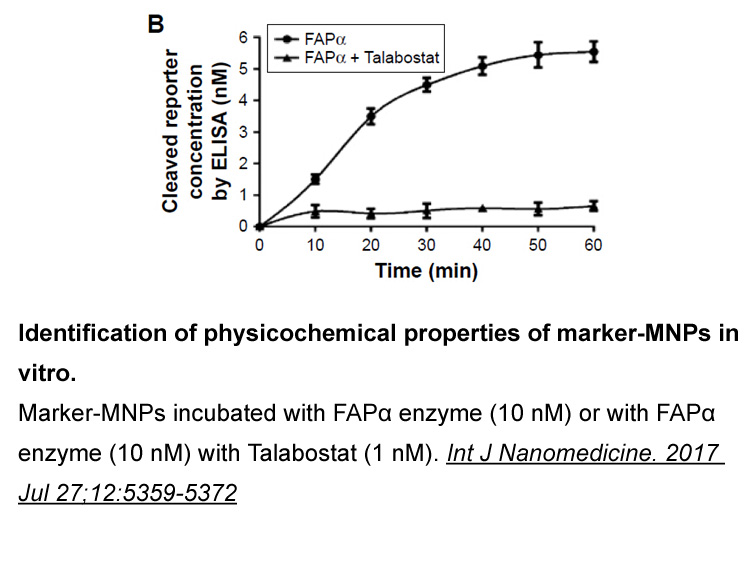
AMPK is a cellular energy sensor that is phosphorylated in response to high intracellular ADP levels to increase GLUT4 translocation into the cell, and subsequently, increase intracellular glucose levels to provide substrate to replenish ATP levels [25]. In metabolic syndrome, sequestration of plasm
Some of previous immunohistochemical studies have compared t
2025-01-18
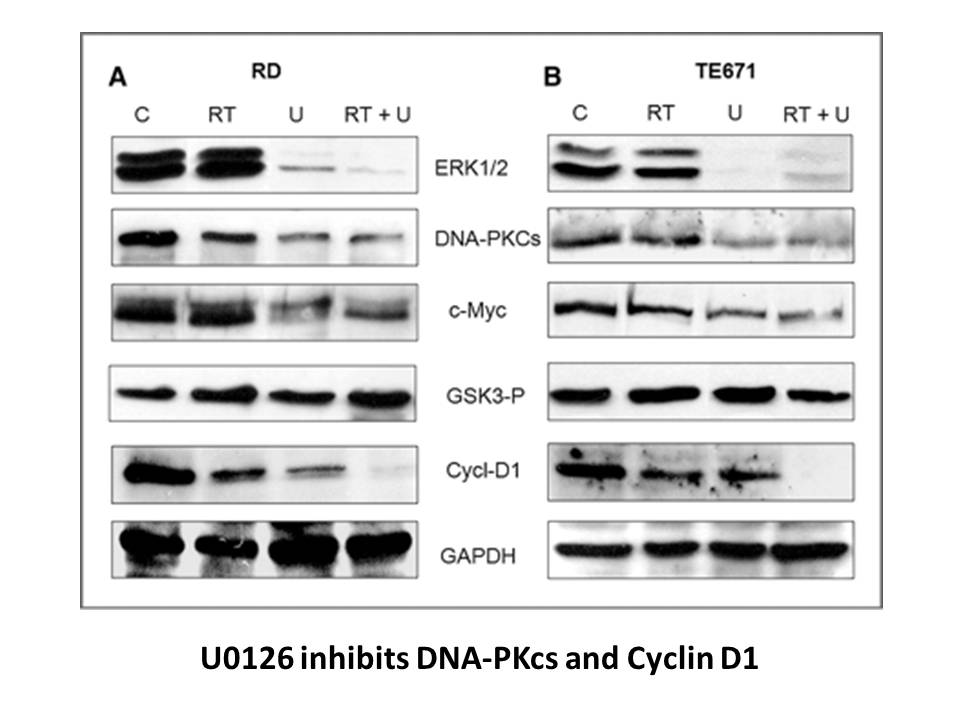
Some of previous immunohistochemical studies have compared the levels of AR expression in low-grade versus high-grade and/or non-muscle-invasive versus muscle-invasive tumors. There was a significant or marginal decrease (Boorjian et al., 2004, Miyamoto et al., 2012b, Rau et al., 2011, Shyr et al.,
In addition AMPK reduces protein synthesis and
2025-01-18
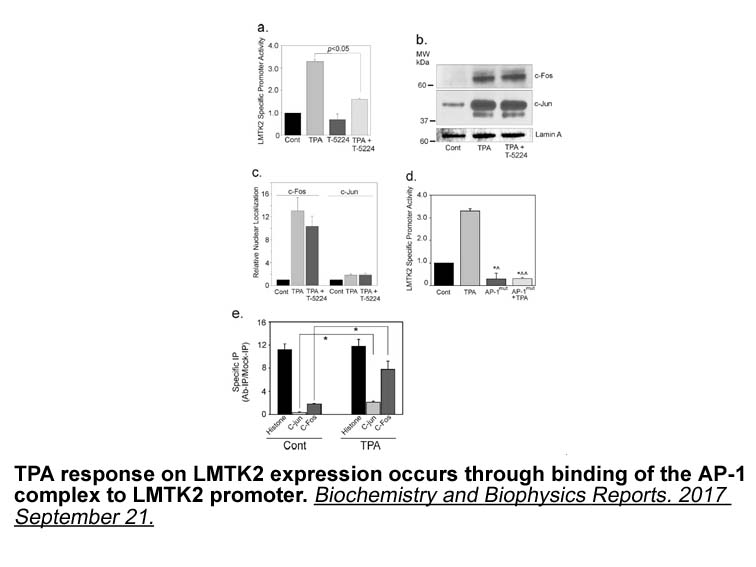
In addition, AMPK reduces protein synthesis and stimulates apoptotic and autophagic pathways through the inhibition of the mechanistic target of rapamycin (mTOR), which regulates cellular metabolic homeostasis, insulin secretion, insulin resistance, autophagy and apoptosis (Maiese, 2016). mTOR is th
Introduction Rapeseed oil production is very important not o
2025-01-18
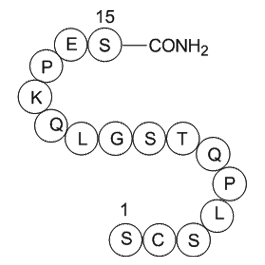
Introduction Rapeseed oil production is very important not only because of its application in food industry, but also in petrochemical branch. Additionally, post-extraction meal and bagasse from oilseed rape are important sources of proteins in animal feedstuffs production. Oilseed rape (Brassica n
We start with a basic
2025-01-17
We start with a basic description of the MT-SGL model. Consider a multi-task learning (MTL) setting with k tasks. Let p be the number of covariates, shared across all the tasks, and n be the number of samples. Let denote the matrix of covariates, be the matrix of responses with each row correspondin
br Regulation of AHR Activity
2025-01-17
Regulation of AHR Activity AHR activity is regulated in various ways. First, AHR protein levels are controlled via ubiquitin-mediated proteosomal degradation: Ligand binding induces AHR ubiquitination and subsequent degradation by the proteasome [5]. AIP, a component of the AHR chaperone complex,
7867 records 65/525 page Previous Next First page 上5页 6162636465 下5页 Last page